

Finding the Right Senior Living Community Doesn't Have to Be Overwhelming.
Choosing senior living is one of life's biggest decisions. Straight Path gives you one trusted place to search and compare communities side by side, so you can explore your options and contact only the communities you choose.
A Better Way to Search for Senior Living
Browse verified communities.
Compare pricing, ratings & amenities.
Contact communities directly.
Now Serving Southwest Florida – More Communities coming soon near you!
Explore the right care option for your loved one
Learn the difference between independent living, assisted living, memory care, and nursing homes — so you can choose the right fit with confidence.
 Independent Living
Independent Care Communities
For active older adults who want a maintenance-free lifestyle with little to no personal care support.
Learn more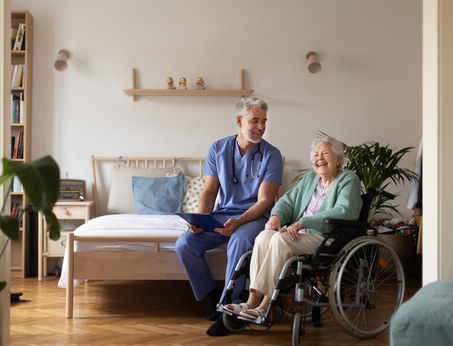 Assisted Living
Assisted Living Communities
Ideal for seniors who want independence but need support with daily tasks like meals, medication, or bathing.
Learn more Memory Care
Memory Care Communities
Specialized support for seniors living with Alzheimer's, dementia, or other memory-related conditions.
Learn more Nursing Home
Nursing Home Communities
Best for seniors who need around-the-clock skilled nursing care and ongoing medical attention.
Learn moreWhat's the difference?
Each care option serves a different level of need. Select a community type below to explore a clear breakdown.
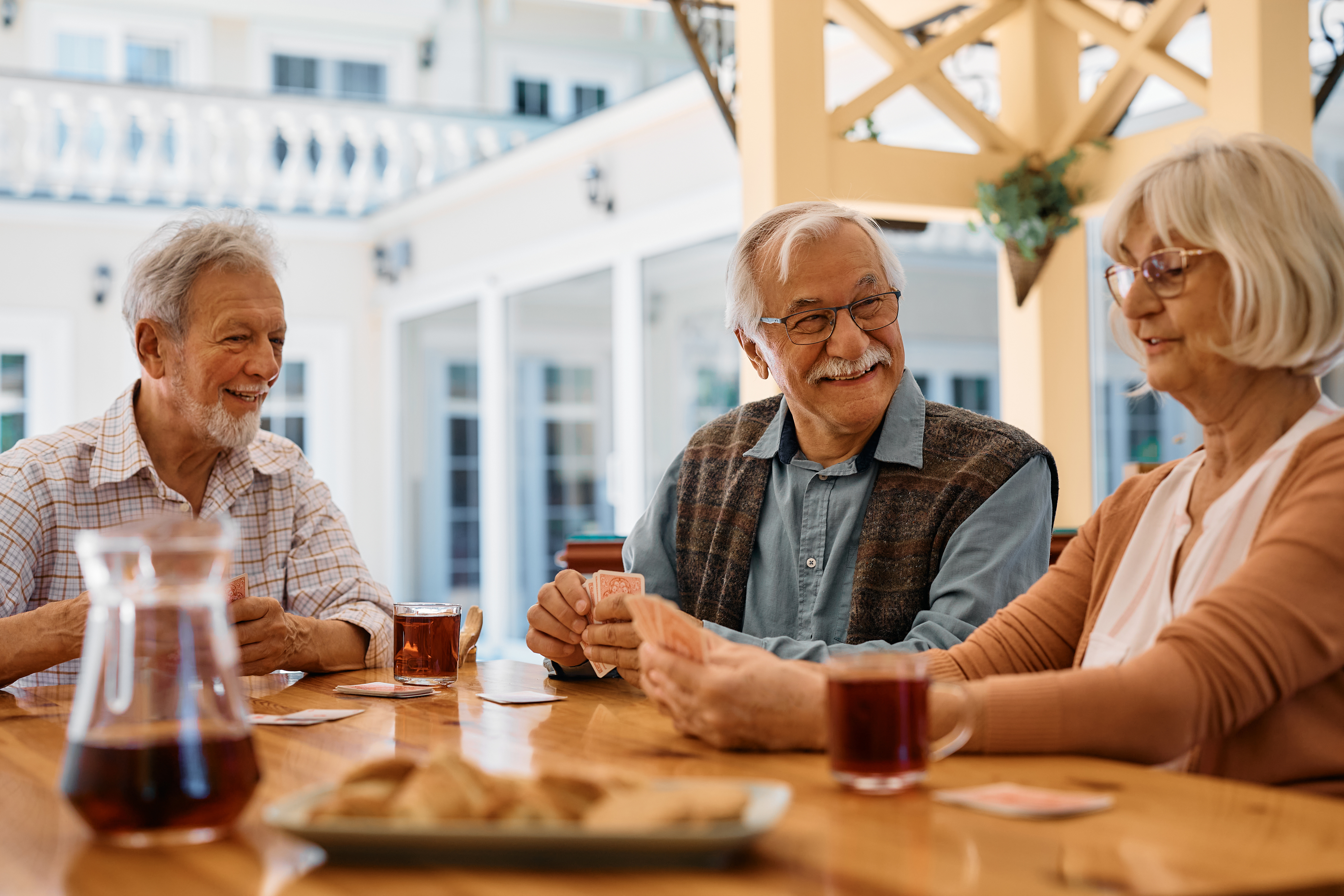
Independent Care Communities
Independent living is best for active seniors who do not need daily personal care or medical support. These communities focus on convenience, social activities, and a maintenance-free lifestyle — with little to no help with bathing, medications, or mobility.
Active, healthy older adults
Seniors who are fully self-sufficient and primarily want convenience, community connection, and freedom from home maintenance.
No personal care assistance
Independent living does not provide bathing, dressing, or medication support. For those needs, assisted living is the appropriate step.
Lifestyle and community
Enriching the senior years with social engagement, fitness, and freedom — not medical care or personal assistance.
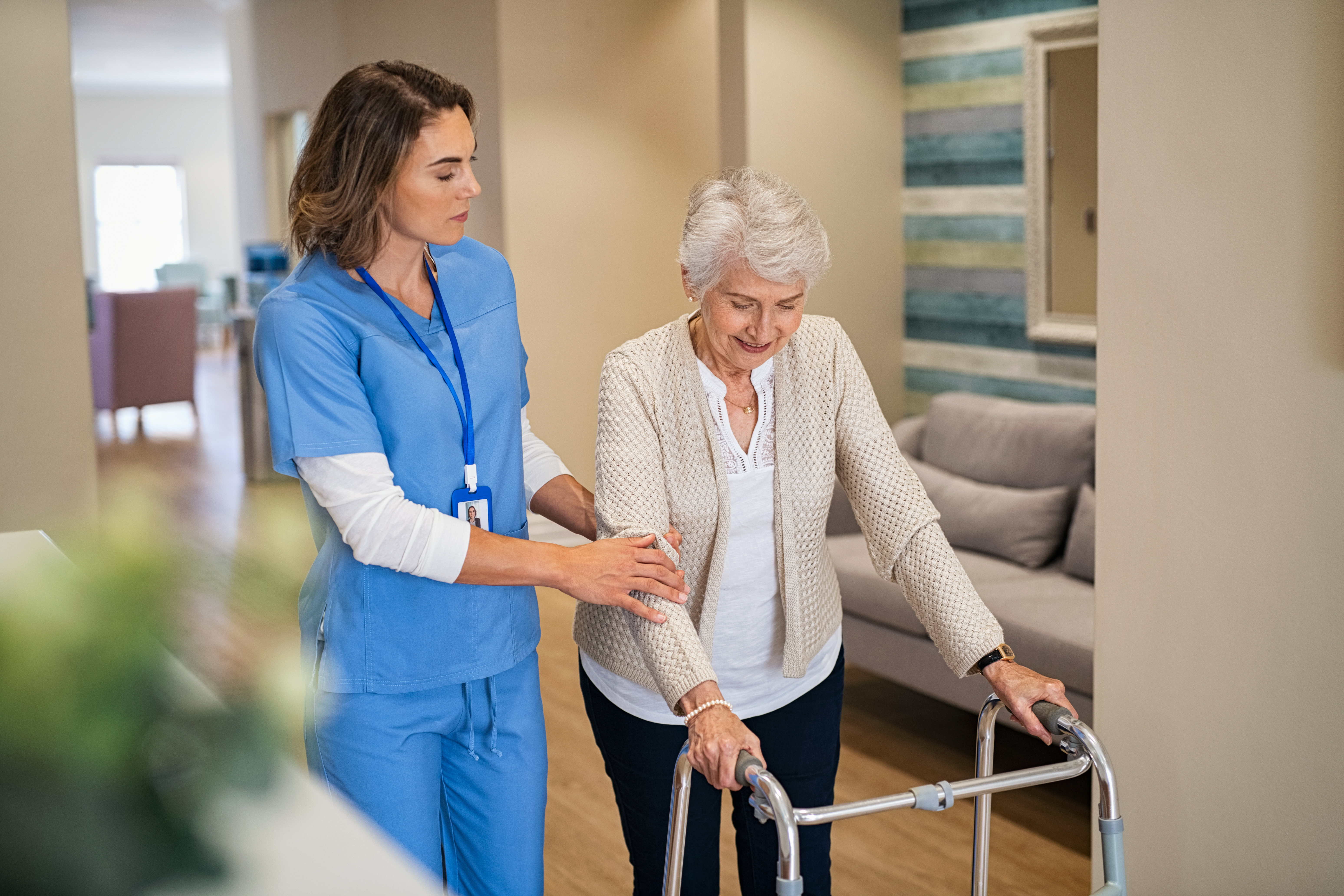
Assisted Living Communities
Assisted living is a good fit for seniors who are mostly independent but need help with everyday activities such as dressing, bathing, medication reminders, or meals. It provides more hands-on support than independent living, but less intensive medical care than a nursing home.
Seniors who value independence
Those who are mostly self-sufficient but benefit from occasional support with personal care or daily activities.
More hands-on personal care
Unlike independent living, assisted communities provide direct daily care assistance — not just amenities and social activities.
Less intensive medical focus
Nursing homes provide 24/7 skilled medical nursing; assisted living is more residential and wellness-oriented.

Memory Care Communities
Memory care is designed for seniors with Alzheimer's disease, dementia, or other cognitive conditions. These communities offer added security, structured routines, and staff trained specifically in memory support — unlike standard assisted living.
Seniors with cognitive conditions
Those diagnosed with Alzheimer's, dementia, or other memory-affecting conditions who need specialized daily care.
Greater security and specialization
Memory care communities have locked or secured areas and staff with specific cognitive care training not typical in standard assisted living.
Safety and routine
Minimizing confusion, creating calm environments, and keeping seniors engaged through structured, meaningful activities.

Nursing Home Communities
Nursing homes provide the highest level of care among these options. They are best for seniors who need 24/7 supervision, skilled nursing, rehabilitation, or ongoing medical treatment — far more medically focused than assisted living.
Seniors with complex medical needs
Those recovering from surgery, managing chronic illness, or requiring continuous skilled nursing care and supervision.
Clinical, medically-driven environment
Where assisted living is residential and wellness-oriented, nursing homes are clinical facilities with licensed medical staff at all hours.
Medical care and rehabilitation
Restoring function, managing chronic conditions, and providing the highest level of non-hospital senior care available.
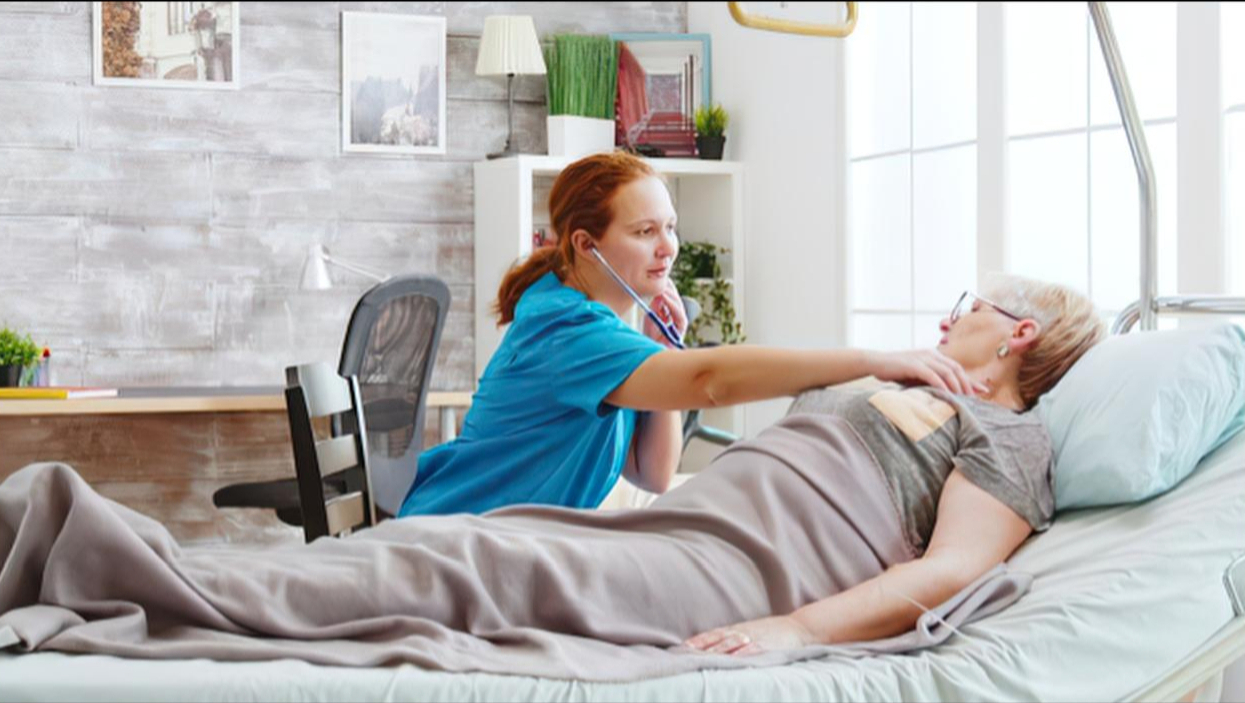
Home Care & Home Health
These two sound alike and are often confused. Home care is non-medical help with everyday life — bathing, dressing, meals, light housekeeping, errands, and companionship — scheduled by the hour, by the day, or live-in. Home health is skilled medical care ordered by a doctor: nursing visits, wound care, and physical, occupational, or speech therapy, usually short-term after a hospital stay or surgery. Both let your loved one stay in their own home instead of moving into a community.
Seniors who want to stay home
Those who need a hand with daily life, or short-term medical care after a hospital stay, and are safe remaining in their own home with support.
The care comes to you
Assisted living means moving into a community with staff on-site around the clock. Home care leaves your loved one where they are and brings help in on a schedule.
Two very different paths
Non-medical home care is usually private pay or long-term care insurance. Doctor-ordered home health is often covered by Medicare for a limited period. Ask any agency to tell you plainly which one they provide.
What families can count on
Ready to find a community near you?
Enter a city, ZIP code, or the name of a community to browse verified senior living options in your area.
Not sure where to start? We'll help you sort it out.
Choosing senior living can feel overwhelming, and you don't have to figure it out alone. Ask us anything — which care type fits, what questions to ask a community, or what to do next. It's always free for families, and we never sell your information.